An educational resource exploring natural ingredients, plant-based vitamins, and their role in supporting everyday health and vitality.
Educational content only. No medical services. No promises of outcomes.
Nutritional supplements have become a common consideration for many individuals seeking to complement their daily routines. These products typically contain vitamins, minerals, herbs, or other botanical ingredients that have been used traditionally across various cultures.
Understanding what these supplements contain and how they are commonly used can help individuals make informed decisions about their personal wellness approaches. This educational resource aims to provide factual information about various supplement categories without making health claims or recommendations.
The world of male wellness supplements encompasses a wide range of products, from basic multivitamins to specialized herbal formulations. Each category serves different informational purposes and reflects diverse cultural traditions of wellness support.
Many male-oriented supplements include vitamins such as B-complex vitamins, vitamin D, and vitamin C. These nutrients are found naturally in various foods and play roles in numerous bodily processes according to nutritional science literature.
Minerals like zinc, magnesium, and selenium are frequently featured in formulations marketed toward male wellness. These minerals are essential nutrients that the body requires in varying amounts as part of a balanced nutritional intake.
Supplements may derive their nutrients from synthetic sources or from concentrated plant and food extracts. The source and form of nutrients can vary between products, and this information is typically available on product labels for those interested in learning more.
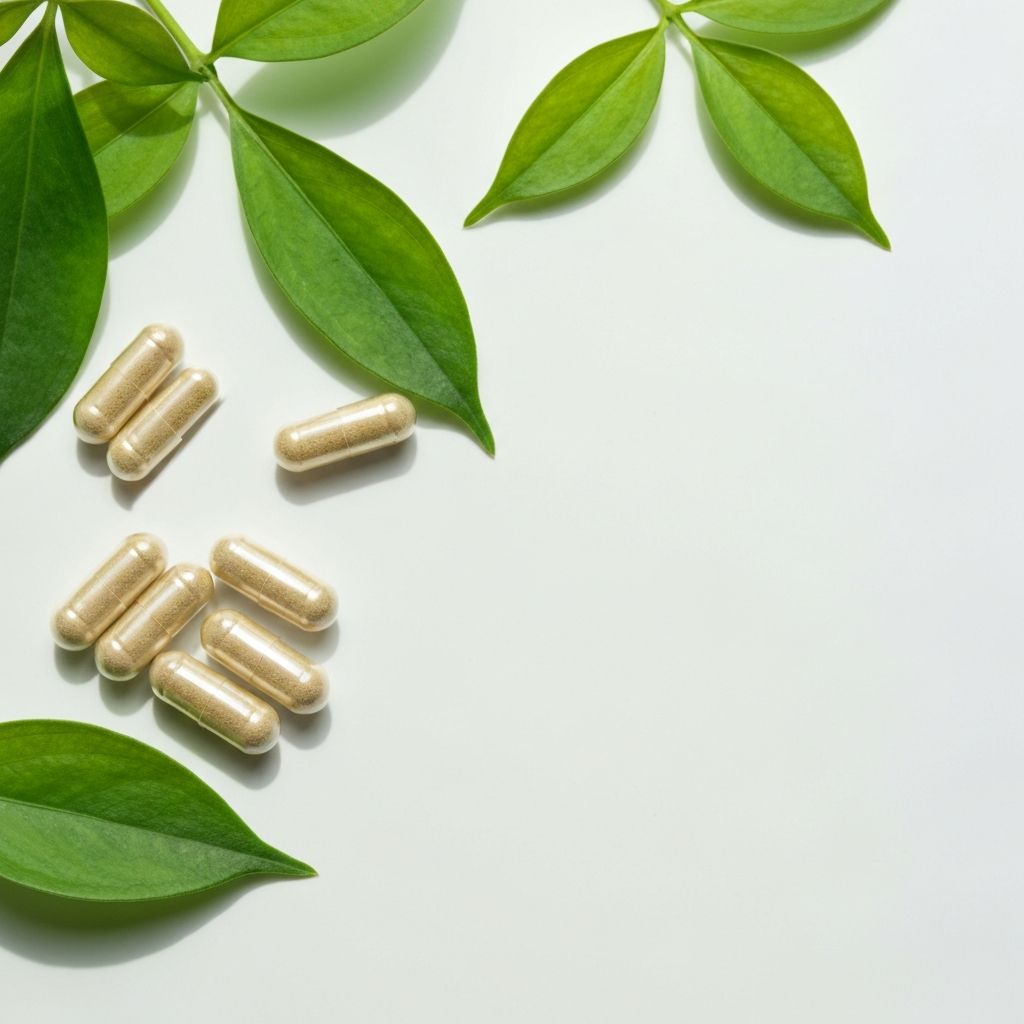
Adaptogenic herbs such as ashwagandha, rhodiola, and ginseng have been used in traditional wellness practices for centuries. These plants are named for their traditional use in helping the body adapt to various environmental factors.
Many cultures have long traditions of using specific plants for wellness purposes. Ingredients like maca root, tribulus, and fenugreek appear in various supplement formulations based on their historical use.
Spirulina, chlorella, and various green vegetable extracts are sometimes included in wellness supplements. These ingredients are known for their nutrient density and have been consumed as food sources in various cultures.
Functional mushrooms like reishi, cordyceps, and lion's mane have gained attention in wellness circles. These fungi have been part of traditional practices in Asian cultures for generations.
Many wellness traditions emphasize the importance of morning routines. Starting the day with physical movement, hydration, and mindful practices is a common theme across various wellness philosophies.
Understanding nutritional basics can support informed food choices. Whole foods, balanced meals, and adequate hydration form the foundation discussed in most nutritional education resources.
Proper hydration is frequently highlighted in wellness literature. Water intake supports various bodily functions, and many wellness approaches emphasize consistent hydration throughout the day.
Various natural ingredients have been traditionally associated with supporting energy levels. These include B-vitamins, iron, and certain herbal extracts that appear in many supplement formulations.
Many individuals consider supplements as part of their approach to physical activity. Understanding the relationship between nutrition and exercise is a common topic in fitness and wellness education.
Wellness literature frequently emphasizes that rest and recovery are essential components of any activity routine. Sleep quality and stress management are often discussed alongside nutritional considerations.
Nutritional science explores the relationship between various nutrients and skin condition. Vitamins A, C, E, and certain fatty acids are commonly discussed in educational materials about skin nutrition.
Antioxidants are compounds found in many foods and supplements. Educational resources explain how these compounds interact with free radicals in the body as part of normal physiological processes.
Collagen supplements have gained popularity in recent years. Understanding what collagen is and its presence in the body can help individuals learn about this category of supplements.
Many wellness traditions view skin health as connected to overall body wellness. This holistic perspective considers factors like hydration, sleep, stress, and nutrition together.
Sleep is widely recognized as fundamental to overall wellness. Various factors including environment, routine, and nutritional status may influence sleep patterns according to wellness research.
Understanding stress and its various manifestations is a common topic in wellness education. Many approaches to wellness include strategies for recognizing and addressing everyday stress factors.
Regular physical movement is frequently emphasized in wellness literature. Different types of exercise serve various purposes, and finding sustainable activity patterns is often discussed.
The information presented on this website is for educational purposes only and does not constitute personalized advice or recommendations.
Individual circumstances vary, and there are many different approaches to daily wellness that people may consider based on their personal situations.
This content is not intended to influence purchasing decisions or suggest specific outcomes from any products or practices.
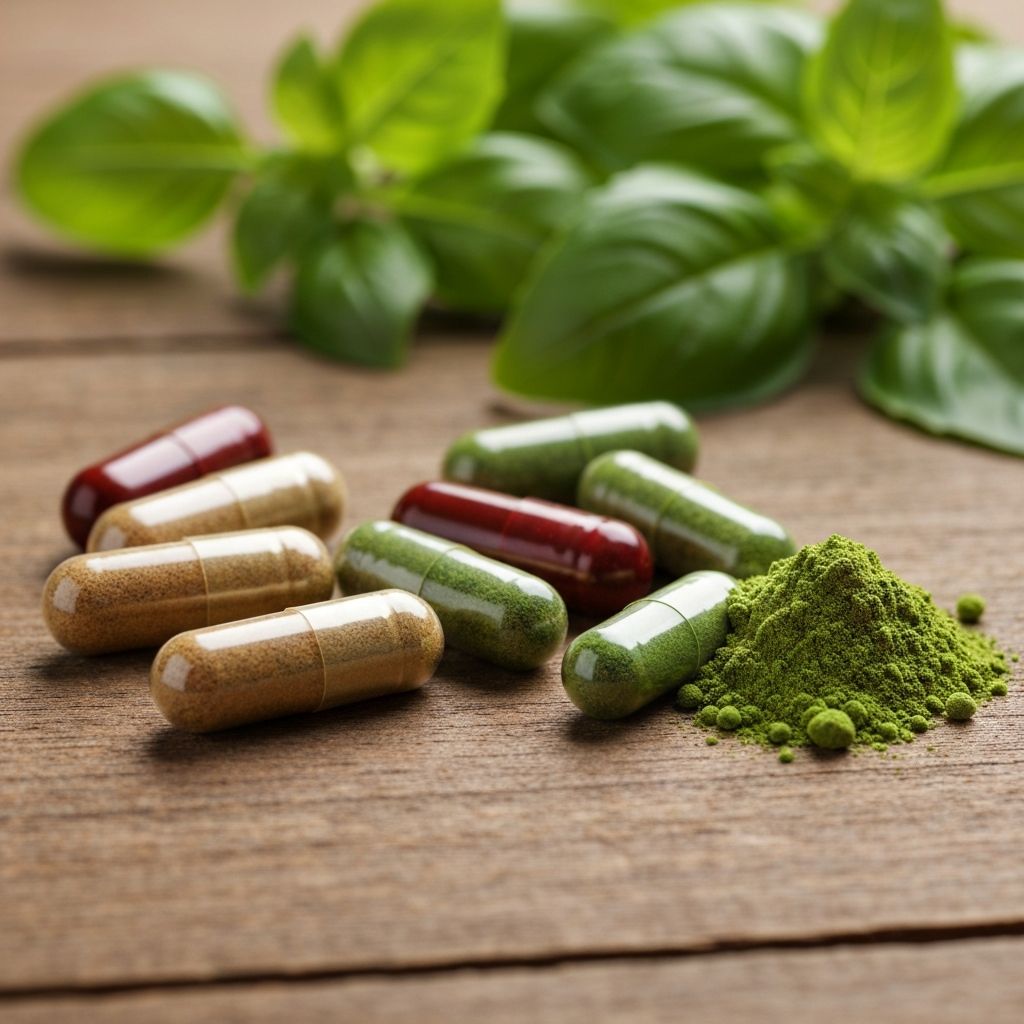
Nutritional supplements are products intended to add nutritional value to the diet. They may contain vitamins, minerals, herbs, amino acids, or other substances. These products come in various forms including capsules, tablets, powders, and liquids.
This website provides educational information about nutritional supplements commonly marketed toward male wellness. The goal is to explain concepts and provide factual information without making health claims or recommendations.
No. VitalHerb is purely an educational resource. We do not sell supplements, provide consultations, or offer any commercial services. Our purpose is solely to provide informational content about wellness topics.
The content on this website is compiled from general educational sources about nutrition and wellness. It reflects commonly available information about supplement ingredients and traditional wellness practices from various cultures.
Individual health decisions are personal matters that may benefit from professional guidance. This educational content is not a substitute for professional advice, and readers should make their own informed decisions about their wellness approaches.
Have questions about our educational content? Feel free to reach out.
This is an educational resource only. We do not provide consultations, sell products, or offer any commercial services.
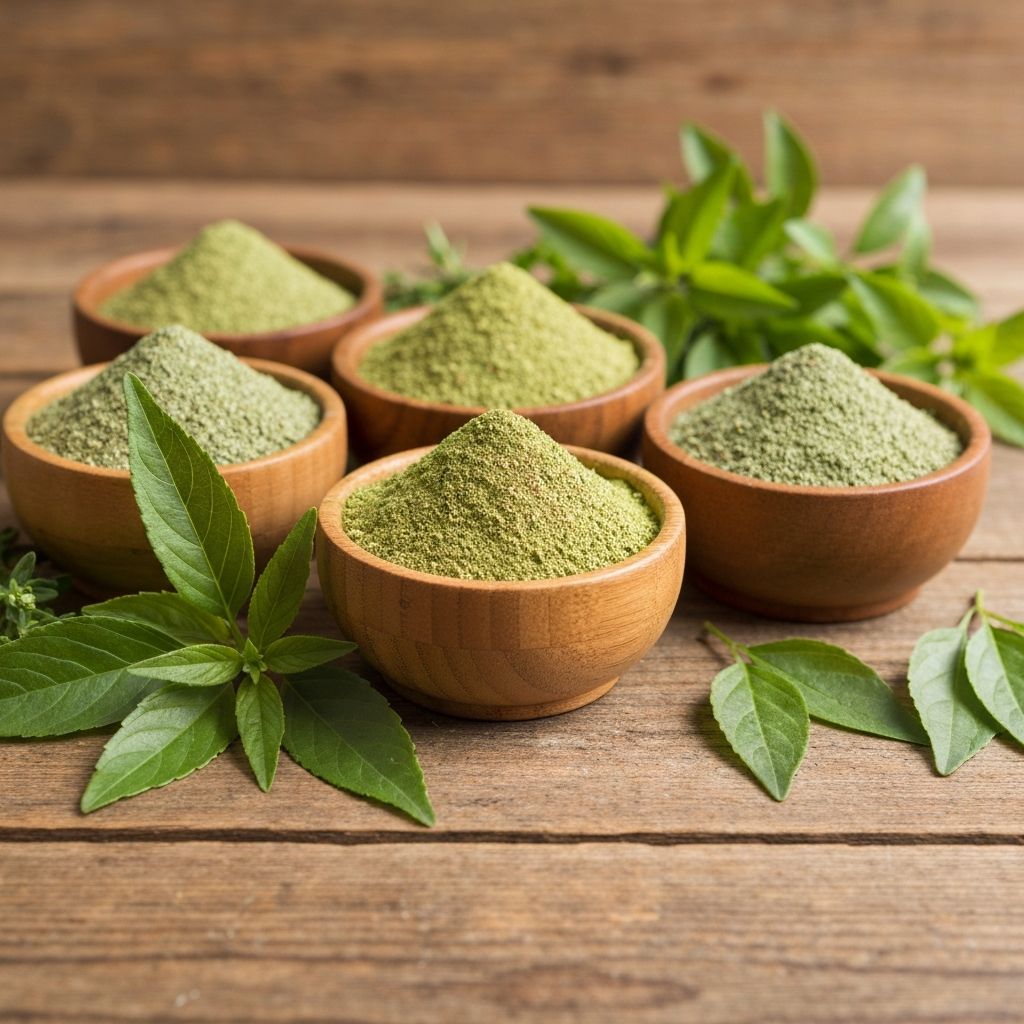
Educational imagery showing common forms of nutritional supplements and natural ingredients.
Explore more educational content about nutritional supplements and daily wellness approaches. Our resources aim to provide factual information to support your personal understanding.
Read More About Our Mission Explore Natural Daily Support